
Imagine an AI system sifting through your employees’ weekly emails to pinpoint who’s pulling their weight and where there’s slack. That’s the bold idea reportedly brewing at the Department of Government Efficiency (DOGE), using AI to analyze
The launch of ChatGPT’s new 4o Image Generation feature isn’t just a product update — it’s a snapshot of how quickly AI is evolving.
Only a year ago, image generation models were still struggling with hands, faces, and especially text. Now, with 4o, users can generate beautifully detailed images in seconds, revise them with natural language, and even include clear, readable text—a major improvement over past models.
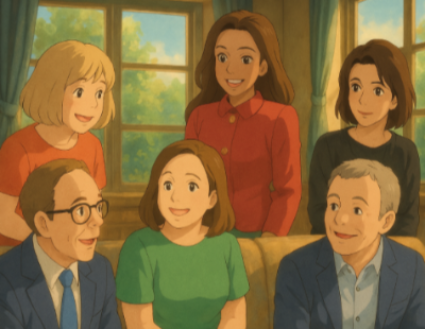
One prompt — “draw this in the style of Studio Ghibli” — took off almost instantly. Within hours of the release, timelines were filled with soft backgrounds, rounded faces, and the warm lighting that defines the Ghibli aesthetic. It went viral not because it was random, but because it was designed to delight.
As Sam Altman shared in a tweet:
“believe it or not we put a lot of thought into the initial examples we show when we introduce new technology.”
That thoughtful rollout worked. But maybe a little too well.
The demand was so overwhelming that OpenAI had to temporarily pause the feature.
Altman responded candidly:
“it’s super fun seeing people love images in chatgpt. but our GPUs are melting.
we are going to temporarily introduce some rate limits while we work on making it more efficient. hopefully won’t be long!
chatgpt free tier will get 3 generations per day soon.”
→ Tweet
Still, that’s part of the story. The fact that people expect this kind of experience from ChatGPT — and rush to try it — shows how much the bar has shifted. We’re no longer surprised that AI can create something beautiful. We expect it to do it in seconds, and we expect to be able to iterate with ease.
It’s another reminder that what’s considered advanced today will likely feel normal a month from now. 4o’s image generation isn’t just better—it’s a glimpse of where things are headed: faster, smarter, more intuitive, and tightly integrated into how we create.
And yes, we tried it, too as you can see from the image below. The results? You be the judge.